
Czech nymphing, a specialized technique in fly fishing, has gained prominence for its effectiveness in…
Using Popper Flies to Fish for Pike
Fishing for pike with popper flies is one of the most exciting and effective methods to target this aggressive predator. The thrill of watching a pike strike a surface fly is unmatched, combining the visual spectacle of topwater fishing with the challenge of fly casting. Popper flies are designed to imitate struggling prey on the surface, and their unique action makes them irresistible to pike, especially in shallow waters and near structures.
The flies to the right are using the Gnarly Head from grip which is popper head that has been designed for optimum performance.
Popper heads are available from our shop or stockists
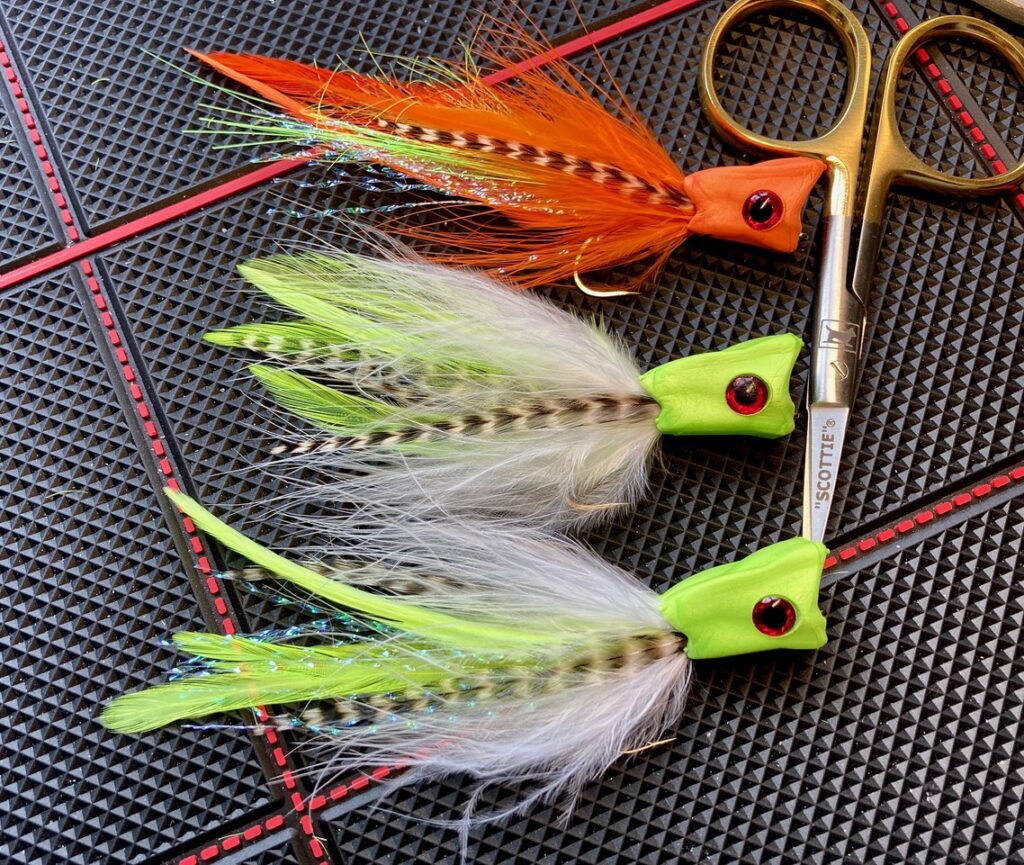
Why Use Popper Flies for Pike?
Pike are ambush predators, often lurking in shallow water or near vegetation to strike unsuspecting prey. Their keen eyesight and predatory instincts make them highly responsive to surface disturbances. Popper flies, with their concave heads and vibrant designs, create splashes, bubbles, and noise that mimic distressed baitfish, frogs, or even large insects. This commotion draws pike from cover, triggering their instinct to attack.
Popper flies are particularly effective during warm months when pike are active in shallower areas. They are also ideal for targeting fish in weedy or snag-filled environments, as their surface presentation avoids getting caught in underwater vegetation.
Choosing the Right Popper Fly
The choice of popper fly is crucial when targeting pike. These predators are known for their strength and sharp teeth, so flies must be durable and tied on strong hooks.
- Size: Pike prefer larger prey, so popper flies in the 4–8-inch range are most effective. Bigger flies create more surface disturbance, appealing to larger fish.
- Materials: Foam and hard-bodied poppers are popular because they are buoyant and durable, even after multiple strikes. Many popper flies also feature feathered or synthetic tails, which add movement and lifelike appeal.
- Colors: Pike are highly visual hunters. Bright and flashy colors like chartreuse, orange, yellow, or red are excellent in murky water. Natural tones like olive, white, and black are better in clear conditions or when pike are more cautious. Flies with added flash (e.g., tinsel or mylar) can further enhance their attractiveness.
Techniques for Fishing Popper Flies
Fishing with popper flies involves creating the right presentation and retrieve to provoke strikes. Here are some techniques to maximize your success:
- Target the Right Areas: Pike tend to ambush prey in shallow water near weed beds, fallen logs, lily pads, or along drop-offs. Casting your popper close to these structures increases your chances of success.
- Retrieve Styles:
- Pop-and-Pause: Use short, sharp strips of the fly line to create splashes and popping noises. Pause between strips to mimic the behavior of injured prey. Pike often strike during the pause, so stay alert.
- Slow, Erratic Movement: A slower retrieve with occasional pops and pauses can entice pike that are hesitant or less aggressive.
- Continuous Action: In warm conditions, a steady, chugging retrieve can trigger pike to chase and strike.
- Be Patient: Pike are known to follow a fly for several feet before committing. Resist the urge to lift the fly too soon, even if you see a fish nearby.
Gear Considerations
To handle the power of pike, use robust fly fishing gear:
- Rod: A 9- to 10-weight fly rod provides the backbone needed to cast large flies and fight strong fish.
- Line: Floating fly lines are ideal for poppers, as they keep the fly on the surface. Choose a weight-forward taper to help cast bulky flies.
- Leader: Always use a strong, abrasion-resistant leader with a wire tippet (30–50 lb test) to prevent pike from cutting through the line with their sharp teeth.
Tips for Success
- Fish at the Right Times: Early mornings, late evenings, or overcast days are optimal for topwater fishing.
- Make Noise: Pike are attracted to commotion, so don’t be afraid to work the fly aggressively.
- Set the Hook Firmly: Pike have hard mouths, so a strong strip-set is essential to drive the hook home.
- Be Ready for Multiple Strikes: Pike may strike, miss, and strike again. Stay focused and keep working the fly.
Conclusion
Using popper flies to fish for pike is an exhilarating and productive technique that combines skillful fly casting with the raw excitement of topwater action. With the right gear, carefully chosen popper flies, and effective presentation, anglers can experience explosive strikes and memorable battles with these apex freshwater predators. Whether you’re a seasoned fly fisher or new to targeting pike, popper flies offer a dynamic and rewarding way to engage with these powerful fish
See the gnarly head being tied https://www.youtube.com/watch?v=I6aDvCYxLXE
Related Posts
