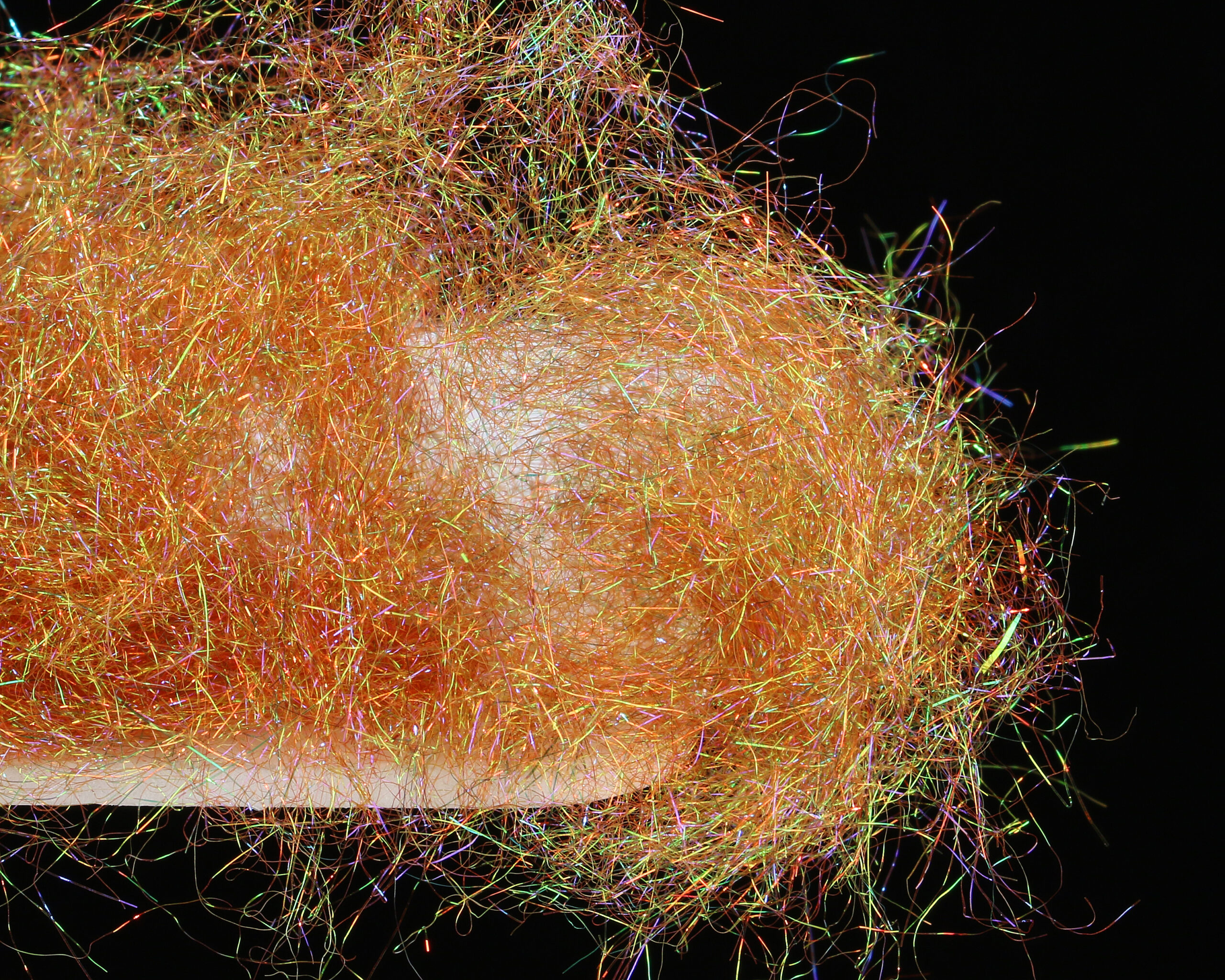
Ostrich feathers are a versatile material in fly tying, known for their soft, wispy fibres…
Using Marabou in Fly Tying
Marabou is one of the most versatile and popular materials in fly tying, valued for its softness, movement, and natural appeal. Derived from the down feathers of turkeys, marabou has fine, flowing fibers that create a lifelike motion in water, making it ideal for tying a wide range of fly patterns, including streamers, nymphs, and even dry flies.
Why Marabou is Effective
The primary appeal of marabou lies in its natural ability to undulate in water, imitating the subtle movements of aquatic life. This quality makes it particularly effective for flies designed to mimic baitfish, leeches, or other prey species. Even with minimal current or stripping action, marabou’s fibers come alive, making it irresistible to fish. Its softness also allows it to compress and expand naturally, giving flies tied with marabou a realistic profile and lifelike movement.
Marabou is lightweight, easy to manipulate, and readily available in a wide variety of colors, from natural earth tones to vibrant, eye-catching hues. This versatility makes it an essential material for fly tyers at any skill level.
Applications of Marabou in Fly Tying
- Streamers
Marabou is most famously used in streamers like the Woolly Bugger, one of the most effective flies ever created. Its flowing fibers make it ideal for creating tails that mimic the swimming action of baitfish or leeches. Marabou can also be used to craft larger streamer patterns like the Zonker or Double Bunny for targeting predatory fish such as trout, bass, and pike. - Nymphs
In nymph patterns, marabou is often used to create lifelike tails or legs. Its fine, tapered fibers mimic the movement of natural nymphal appendages, adding a level of realism that fish find irresistible. Patterns like the Prince Nymph and Damsel Nymph often incorporate marabou for this reason. - Wet Flies and Soft Hackles
For wet flies and soft hackle patterns, marabou can be used to create collars or wings. Its soft texture adds subtle motion, enhancing the fly’s effectiveness in mimicking insects or small bait in the water column. - Saltwater Flies
Marabou is also a favourite material for saltwater flies, especially for targeting species like bonefish, tarpon, or redfish. It is often combined with synthetic materials to create tails or bodies for flies like the Gotcha or Seaducer. The fibers’ movement adds an extra level of attraction in saltwater currents. - Poppers and Streamer Heads
Marabou can be wrapped around the hook shank to create bulky yet soft heads for poppers and streamers, giving the fly an enticing pulsing action.
Tips for Tying with Marabou
Marabou’s softness, movement, and versatility make it an indispensable material in fly tying. Whether crafting delicate nymphs or bold streamers, it adds an element of realism and effectiveness to a wide variety of fly patterns. Its adaptability to both freshwater and saltwater applications ensures its place as a go-to material for fly tyers aiming to create flies that catch the attention of fish and anglers alike.
Related Posts