Well the classic answer I guess is “It depends.”A bead is primarily a weight which takes your fly down faster and in a river will keep it at the depth you wish to fish. So -a) the bigger the bead the heavier it is b) tungsten beads are heavier than brass beads.
However this being said coloured beads can be used as a hot spot and because they are well forward can make your pattern move up and down during the retrieve.
The chart below is a rough guide to get you started.
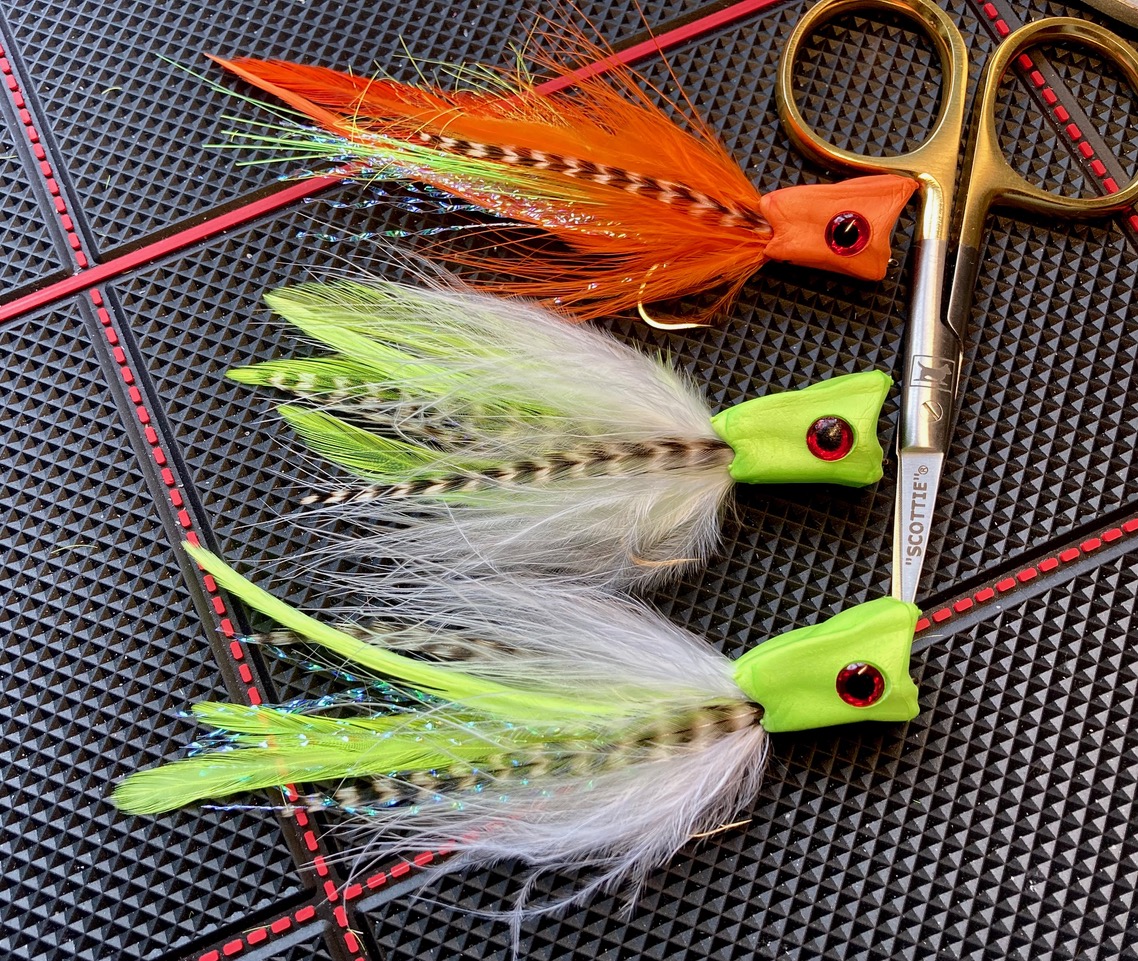
Fishing for pike with popper flies is one of the most exciting and effective methods to target this aggressive predator. The thrill of watching a pike strike a surface fly is unmatched, combining the visual spectacle of topwater fishing with…
Marabou is one of the most versatile and popular materials in fly tying, valued for its softness, movement, and natural appeal. Derived from the down feathers of turkeys, marabou has fine, flowing fibers that create a lifelike motion in water,…
The Prince Nymph is a classic, versatile fly that mimics various aquatic insects, making it effective for trout and other freshwater fish. The recipe for tying a traditional Prince Nymph: Materials Hook: Grip 12413BL Nymph hook, sizes 10–16 Bead (optional):…
Ostrich feathers are a versatile material in fly tying, known for their soft, wispy fibres that add lifelike movement and texture to flies. These feathers are most often used for building bodies, tails, or collars on a wide variety of…
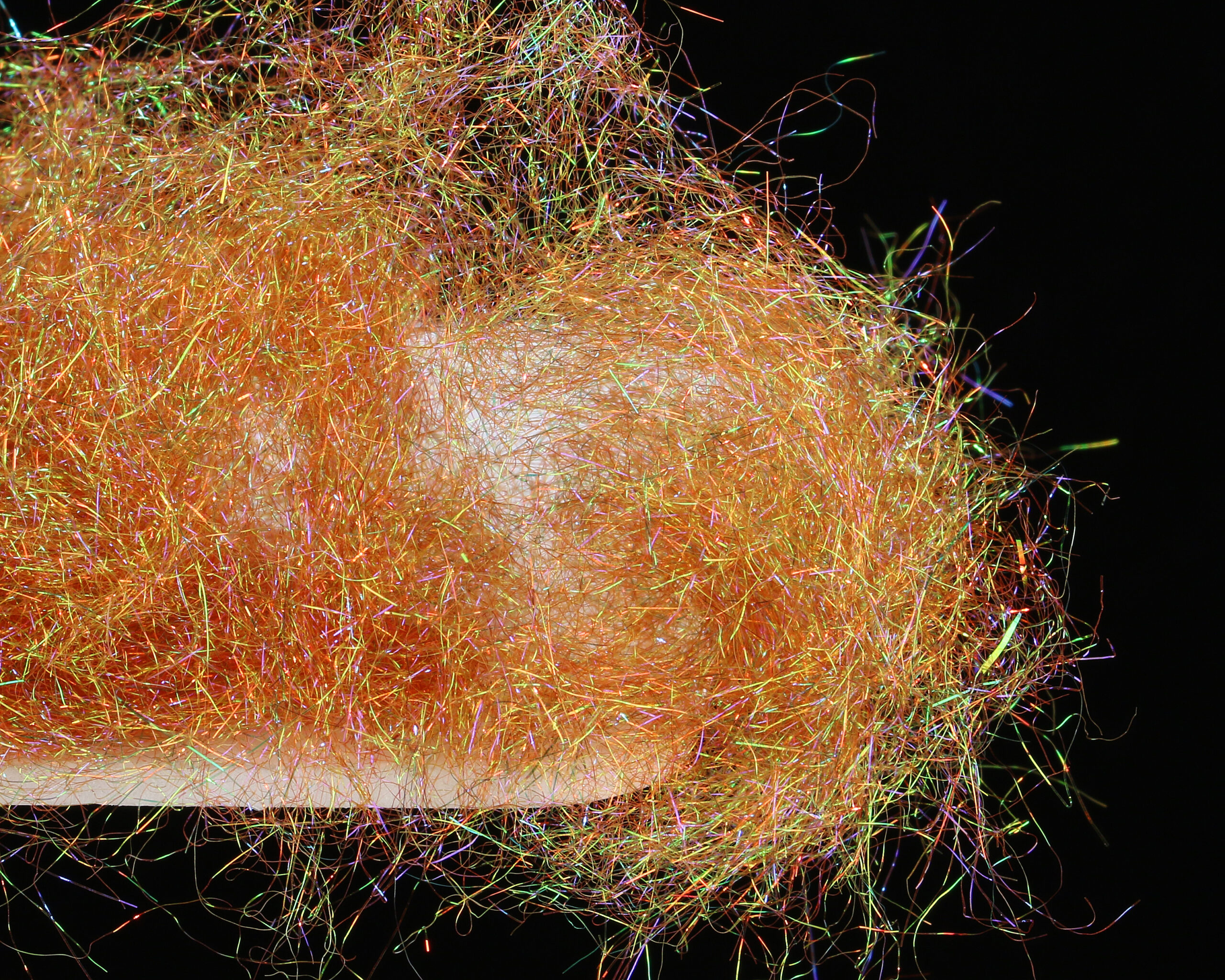
Sybai Fine Spectra Flash dubbing is a popular choice among fly tiers looking to add a touch of sparkle and texture to their creations. Known for its ultra-fine fibres, this dubbing material is easily manipulated, allowing for a range of…
The Perdigon fly, named after the Spanish word for "pellet," is a minimalist and highly effective nymph pattern designed for tight-line or Euro-nymphing techniques. This fly excels in fast-moving waters, where its sleek profile and heavy design allow it to…
Czech nymphing, a specialized technique in fly fishing, has gained prominence for its effectiveness in catching fish in fast-moving streams and rivers. Originating in Eastern Europe, particularly in the Czech Republic during the 1980s, this approach was developed by competitive…
I am sure I am not alone with the recent upheaval I have had to endure with respect to hooks, the demands of the UK market have taken a very definite turn towards barbless and as this is not common…
Add in a wing to a fly can add a sighter to your dry flies and might help it fish - but it always looks right on a traditional dry such as the Adams. I enjoy tying my Adams with…
Well the classic answer I guess is "It depends." A bead is primarily a weight which takes your fly down faster and in a river will keep it at the depth you wish to fish. So -a) the bigger the…